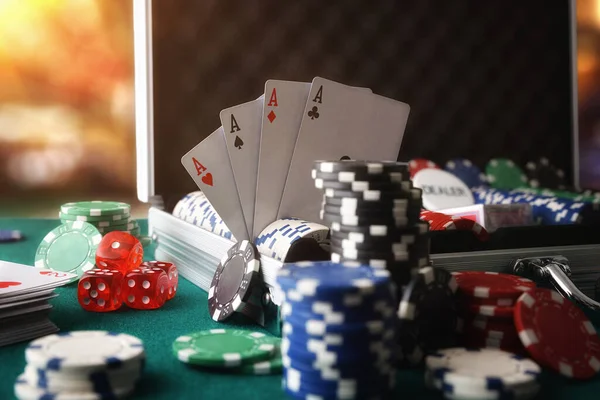
Paribahis Casino’nun Fırsat Dünyası: İlk, Hediye Spin ve VIP İmkanları
Online macera alanında oyuncuların alakası üzerine çeken en temel detaylardan biri şüphesiz ki ödüllerdir. Özellikle paribahis yeni giriş, verdiği bol ve geniş ekstralarla müşterilerine sadece aktivite zevki değil, aynı zamanda fazladan imkan da sunar. Altyapı, yeni üyelerden deneyimli üyelere kadar tümünün hedeflerine karşılık veren bonus opsiyonlarıyla fark yaratır. İlk seçenekleri, ekstra çevirme imkanları, ödemeler kampanyaları ve VIP seçkinlikleri sayesinde katılımcılar daha ileriye dönük devre oyun sürdürür ve düşüşlerini giderebilme şansı bulur.
Paribahis Casino’nun teşvik ortamı yalnızca kazanç amacıyla değil, aynı zamanda zevkli bir ortam kurmayı da güdüler. Üyeler hem makinelerde hem de direkt canlı oyunlarda çeşitli ödüllerden edinir. Bu içerikte, Paribahis Casino’nun sunduğu avantajların tüm özelliklerini, imkanlarını ve oyunseverler için neden kaçınılmaz olduğunu paylaşacağız.
İlk Giriş Avantajı – Yeni Oyunculara İlk Başlangıç Kazancı
Paribahis Casino’ya adım atan her yeni kullanıcıyı bekleyen en avantajlı seçeneklerden biri, karşılama promosyonudur. Bu kampanya, oyuncuların ağ üzerine özgüvenle başlamasını kolaylaştırmakla kalmaz, aynı zamanda onlara keyif oyunlarına sağlam bir açılış yapma imkanı sunum yapar. İlk yatırımla birlikte verilen bu bonus, çoğunlukla yatırılan miktarın belirli bir oranı kadar bonus miktar olarak üyelerin hesabına yüklenir. Böylece yeni kullanıcılar paralarını geliştirerek daha çeşitli eğlence yaşatma ihtimaline kavuşur.
İlk giriş promosyonu yalnızca slot oyunu oyunlarında değil, aynı zamanda kâğıt tarzları ve canlı deneyim modlarında da uygulanabilir. Kullanıcılar, bu sayede blackjack, rulet veya poker gibi farklı masa çeşitlerinde şans oranlarını artırabilir. Ancak burada önem verilmesi gereken en değerli parça, promosyonun işleyiş koşullarıdır. Tekrar koşulları, üyelerin ekstrayla sahip oldukları kârları transfer etmeden önce belirli alanlarda belirlenen kat sayıda yerine getirmelerini şart koşar. Bu ilkeler, müşterilerin daha istikrarlı devre ağda kalmasını sağlarken aynı zamanda avantajın istismar edilmesinin da durdurur.
Hoş geldin kampanyasının en büyük faydalarından biri, yeni müşterilerin deneyimleri araştırmasına fırsat sunmasıdır. Oyuncular kendi bakiye yüklemelerini zorlamadan çeşitli slot makinelerini deneyimleyebilir, oyun masası alternatiflerinde plan kurabilir veya online oyun yöneticileriyle masa dinamiğini deneyebilir. Bunun yanında, bazı ilk giriş paketlerinde bedava dönüşler de tanımlanır. Bu fazladan imkanlar, özellikle makine meraklıları için ekstra özellik temin eder.
Her ne kadar kampanya değerli bir olanak temin etse da, süresi kısıtlıdır. Genellikle ilk hesap açma ve hesap yatırımı sonrasında belirlenen günler içinde uygulanmalıdır. Bu süre sonlandığında avantaj kazançları sona erebilir. Bu nedenle müşterilerin, kriterleri özenle inceleyerek geçerlilik dönemi içinde avantajı değerlendirmesi şarttır.
Paribahis Casino’nun tanışma paketi, yeni oyunseverler için sadece parasal bir kaynak değil, aynı zamanda emniyetli bir oyun çevresine dahil olma aracı olarak da kıymet taşır. Site, bu ekstra ile gamerlara ilk katılımlarında kuvvet oluştururken onları coşkulu ve faydalı bir deneyime çağırır.
Avantajları daha açık idrak etmek için aşağıda öncelikli noktalarda sunulalım:
- Depozitonun miktarına göre ekstra fon edinme
- Slot ve table oyunlarında çok yönlü kullanım alanı
- Bonus hediye dönüş fırsatları
- Yeni üye üyeler için emniyetli başlangıç alanı
- Çarpan koşulları sayesinde eşit ve uyumlu oyun yaşayışı
Bu sistemiyle tanışma bonusu, Paribahis Casino’nun en gerekli ve ilgi uyandıran ödüllerinden biri olmayı devam ettirir.
Free Spin Ödülleri – Oyun Makinesi Tutkunları için Özel Keyif
Paribahis Casino’nun müşterilere sağladığı en sevilen seçeneklerden biri ücretsiz çevirme promosyonlarıdır. Özellikle makine bağımlıları için tasarlanan bu bonuslar, oyunseverlere katma para yatırma yapmadan belirli makine oyunlarında döndürme şansı verir. Böylece oyuncular hem içerikleri daha derinlemesine araştırma olanağı edinir hem de orijinal gelir elde etme şansına elde eder. Hediye çevirimler genellikle yeni üye alternatifine yerleştirilir, özel kampanyalarda paylaşılır veya rutin kampanyaların bir öğesi olarak üyelere sağlanır.
Bu promosyonların en etkileyici yönlerinden biri, belirli öne çıkan çevrimlerde uygun olmasıdır. Örneğin, yüksek RTP yüzdesine sahip ya da jackpot seçeneği bulunan oyunlarda verilen serbest döndürmeler, oyunseverlere ciddi menfaat seçenekleri yaratır. Ayrıca bazı programlarda serbest döndürmeler, belirli bir yazılım sağlayıcısının yeni çıkardığı içeriği göstermek amacıyla tanımlanır. Böylece katılımcılar, yeni deneyimleri tehlikesiz şekilde deneme ihtimali edinir.
Bonus spinlerin kullanımında hesaplanması gereken öğeler arasında kazançların katılım esasları önemli bir önem barındırır. Oyuncular, hediye dönüşlerle kazanç sağladıkları menfaatleri fon olarak kullanmadan önce belirli alanlarda çevrim yerine getirmek talep edilir. Bununla birlikte, Paribahis Casino genellikle avantajlı kurallar sağlayarak üyelerin deneyimlerini cazip hale getirir. Çoğu durumda bedava dönüşlerden elde tutulan değerler, hafif bir çevrim şartı ile çıkartılabilir mümkün olur.
Ücretsiz çevirimler aynı zamanda devamlı gamerlar için de rutin olarak aktarılır. Sürekli beklenmedik promosyonlar, özel an ödülleri ya da VIP kullanıcılar için özel promosyonlar bonus spin sağlamanın çeşitli metotları arasında kabul edilir. Bu çeşitlenme, katılımcıların azmini katlar ve oyun atmosferini daha geniş bir haza evrir.
Hediye dönüş kampanyaları, sadece fazladan ödül ihtimali değil, aynı zamanda üyelere taktik uygulama imkânı da oluşturur. Oyuncular bu sayede hangi slotların daha kârlı olduğunu inceleyebilir, çok yönlü motiflere sahip seçenekleri uygulayabilir ve kendi yaklaşım karakterlerini güçlendirebilir.
Free spin sürdürülmesinin üstünlüklerini anlatacak olursak:
- Katma depozito yapmadan menfaat temin etme fırsatı
- Son sunulan çevrimleri kontrollü uygulama olanağı
- Ünlü makinelerde büyük fayda potansiyeli
- Bağlı oyunseverlere düzenli kampanyalar
- Macera stratejilerini geliştirme ve birikim edinme şansı
Bu yönleriyle hediye dönüş avantajları, Paribahis Casino’nun bonus alanında çevrim kullanıcılarının vazgeçilmez detaylarından biri olarak öne yükselir.
Bakiye Yükleme Paketi – Daha Artı Bakiye ile Daha Uzun Deneyim
Paribahis Casino’nun sağladığı en kritik kampanyalardan biri bakiye yükleme avantajlarıdır. Bu kampanya kategorisi, müşterilerin yatırdıkları değere ilave ödül vererek onların daha uzun macera gerçekleştirmesine ihtimal tanır. Temel anlayış oldukça anlaşılırdır: gamer belirli bir parada fon öder ve bunun üzerine özel bir oran ödül bulur. Böylece katılımcının fon miktarı katlanır ve daha çok yönlü bir aktivite çeşitliliğinde olasılığını oynama seçeneği yaratılır.
Fonlama promosyonları, genellikle ilk depozitoda değil, sürekli olarak değişik etkinlikler aracılığıyla dağıtılır. Örneğin, hafta sonu dönemlerine seçkin bakiye yüklemelerde %50 bonus bonus veya belirli bir zaman uygulanan depozitlerde %100’e kadar teşvik gibi fırsatlar yer alabilir. Bu bonuslar, gamerları istikrarlı aktivite düzenine desteklerken aynı zamanda fazladan menfaat seçenekleri temin eder.
Bir para yatırma fırsatını ulaşmak için gamerların yerine getirmesi gereken hareketler oldukça kolaydır. Öncelikle, teşvikin işleyen olduğu kampanya süresinde belirtilen depozito alternatiflerinden biriyle yatırım yapılması zorunludur. Ardından kampanya otomatik olarak bakiye kısmına hazırlanır veya bazı koşullarda oyuncunun bonusu etkinleştirmesi için panelindeki kampanyalar alanından onaylaması talep edilebilir.
Depozito ödüllerinin artısı yalnızca yedek bakiye aktarmakla daraltılmış değildir. Bu kampanyalar sayesinde kullanıcılar, fazla stake’li seanslarda daha sürekli dönem devam edebilir, eşzamanlı oyunhane alanlarında taktiklerini deneyebilir ya da makine sistemlerinde daha çok spin yaparak mega ödül fırsatlarını katlayabilir. Ancak her sermaye teşviğinin belirli düzenlemeleri vardır. Tur koşulları, maksimum ödül sınırları ve ödülün işletilebileceği deneyim modelleri bu kaidelerin başında gelir.
Özellikle özen gösterilmesi gereken başlıklardan biri de maksimum avantaj limitidir. Örneğin, %100 katılım avantaj paketinde yatırılan meblağ 1.000 TL olsa bile, oyun sitesi genellikle maksimum 2.500 TL’ye kadar bonus kazandırabilir. Bu limitler, teşvikin dengeli ve kalıcı olmasını mümkün kılar. Aşağıdaki listede, fon ödüllerinin örnek ölçüleri ve düzeyleri karşılaştırmalı şekilde gösterilmektedir:
| Sermaye Mevlası |
Teşvik Yüzdesi |
Destek Fayda |
Azami Fırsat Düzeyi |
| 500 TL |
%50 |
250 TL |
2.500 TL |
| 1.000 TL |
%75 |
750 TL |
2.500 TL |
| 1.500 TL |
%100 |
1.500 TL |
2.500 TL |
| 2.000 TL |
%100 |
2.000 TL |
2.500 TL |
Bu liste, katılım ekstralarının müşteriler için ne kadar imkânlı olduğunu açıkça gösterir. Daha artırılmış depozitlerde daha önemli fazladan ödüller sunulabilir, ancak her zaman belirlenen barajlara riayet etmek şarttır.
Paribahis Casino’nun bakiye ödülleri, hem başlangıç gamerlar hem de profesyonel katılımcılar için ideal avantajlar temin eder. Devamlı olarak devam eden bu programlar, gamerların oyun tecrübesini daha zevkli, avantajlı ve devamlı hâle temin eder.
Sürekli ve Haftalık Avantajlar – Daimî Kâr Yolu
Paribahis Casino’nun en ilgi çekici yanlarından biri, oyuncularına yalnızca büyük avantajlar değil, aynı zamanda her gün ve dönemlik bazda istikrarlı alternatifler da aktarmasıdır. Bu teşvikler sayesinde üyeler, her akşam ve her hafta içinde yeni hediyelerle yüzleşir, karşılaşma alışkanlıklarını daha dinamik yaşatır ve kazanma şanslarını çoğaltma fırsatı kazanır. Özellikle sürekli üyeler için hazırlanan bu fırsatlar, mütevazı ama kesintisiz kârlarla uzun vadede büyük bir fayda sağlar.
Gündelik teşvikler arasında genellikle ücretsiz dönüş armağanları, minik bakiye avantajları ya da seçili bahislerde daha fazla katlama avantajları bulunur. Örneğin, pazartesi günü günü yapılan depozitlere özel %30 teşvik, hafta ortası günü belirli videolarda 20 bedava oyun hakkı veya hafta içi günü günü eksilere %10 iade gibi uygulamalar gerçekleştirilebilir. Bu çeşit, gamerların her an mekâna hesap açarak etkin devamlı olmasını canlandırır. Ayrıca her gün teşvikler, acemi gamerlar için farklı fırsat formatlarını yaşaması için de oldukça avantajlıdır.
Hafta dönemi kampanyalar ise daha büyükdır ve genellikle sadakat odaklı ödüllerle desteklenir. Hafta içinin sonunda yapılan kayıplara karşı %10 ila %20 oranlı geri kazanç verilmesi, belirli bir zaman zarfında en çok karşılaşma oynayanlara özel fırsatlar veya yüksek stake yapan üyeler için artı yatırımlar buna misal verilebilir. Bu model, üyelerin oyunlarını uzun vadeli organize etmesine olanak sağlarken aynı zamanda olumsuz bakiyelere karşı teminat ortaya çıkarır.
Düzenli oyunculara sunulan haftalık seçenekler arasında ayrıca VIP statülerini pekiştiren özel promosyonlar da sunulur. Örneğin, belirli bir rütbeye ulaşan müşterilere hafta sonunda artı ekstra bakiye tutarı aktarılabilir ya da sadece VIP katılımcıların dahil olabildiği nitelikli karşılaşmalar uygulanabilir. Bu da bahisçilerin kendilerini öncelikli fark etmesini garanti eder.
Planlı kampanyaların bir diğer imkânı da, katılımcıların kaynaklarını daha istikrarlı yönetmesine ihtimal yaratmasıdır. Gamerlar, hangi gün aralığı hangi avantajın aktarılacağını anladığında katılımlarını buna göre kurgulayabilir ve maksimum kâr elde edebilir. Bu da hem oyun keyfini yükseltir hem de olasılık dahilindeki kârları geliştirir.
Aşağıda bu fırsatların sunduğu olanakları dizili şekilde gösterebiliriz:
- Her sabah farklı beklenmedik avantajlar ile devamlı kullanıcılara kazanç sağlama
- Hafta süresince cashback sistemleriyle olumsuz bakiyelere karşı sigorta meydana getirme
- Sürekli üyeler için programlı fazla alternatifler oluşturma
- Organizasyonlar ve özgün kampanyalarla fayda sunma seçeneği
- Gamerların para düzenlemesine destek sağlayan devamlı zaman planı seçeneği
Periyodik ve hafta bazlı kampanyalar, Paribahis Casino’nun ödül alanında üyeleri her zaman güçlendiren ve sadakati koruyan en başlıca unsurlarından biridir.
Geri dönüş Politikaları – Negatif sonuçlara Karşı Koruma
İnternet üzerindeki sitelerin en çok öncelikli fırsatlarından biri de iade yani geri sağlama düzenleridir. Paribahis Casino, kullanıcılarına olumsuz bakiyelere karşı dayanak vermek için planlı iade olanakları oluşturur. Bu teşvik, üyelerin belirli bir aralık içerisinde gördükleri kayıpların belli bir miktarını geri dönüş sağlamalarını olanaklı hale getirir. Böylece müşteriler, riskli bir eğlence yedi günde bile tamamen eksilerde bulunmaz ve yeniden başlama seçeneği sağlar.
İade uygulamalarının modu oldukça nettir. Oyuncuların bir hafta boyunca boyunca fonları ve kazançları kaydedilir, ardından net eksiler üzerinden belirli bir derece seviyesinde geri sağlama sağlanır. Bu derece, genellikle %5 ile %20 arasında oynar. Örneğin, bir gamer bir hafta boyunca içerisinde 2.000 TL olumsuz sonuç yaşamışsa ve %10 iade hakkına sahipse, 200 TL iade aktarılır. Bu bakiye, doğrudan gamerın hesabına avantaj olarak eklenir ve genellikle belirli tur gereklerine tabi sayılır.
Geri sağlama programları, sadece gelirsel bir katkı sağlamakla kalmaz, aynı zamanda zihinsel açıdan da gamerlar için kritik bir dayanak noktası kazandırır. Gamerlar, ziyanlarının bir kısmını yeniden elde edebileceklerini haberdar olduklarında daha özgür bir şekilde deneyim oynar. Bu koşul, sorumlu deneyim bakışına da katkıda bulunur çünkü üyeler tamamen zarar altında olmadıklarını fark ederler.
Paribahis Casino, geri dönüş fırsatlarını genellikle hafta süresince olarak tanımlar, ancak kişiye özel zamanlarda veya VIP seviyeleri için her gün telafi imkânları da sağlanabilir. Özellikle VIP gamerlar, daha üst derecelerden değerlendirerek kapsamlı bedellerde geri ödeme alma ihtimaline erişir. Bunun yanı sıra bazı paketlerde telafi aktar ımları doğrudan ödeme yerine free spin veya fon desteği olarak da tanımlanabilir.
Cashback uygulamaları, üyelerin devamlılığını pekiştirmek açısından oldukça etkili bir enstrümandır. Gamerlar, kaybettikleri tutarları bir nebze olsun telafi ettikleri için siteye olan devamlılıkları yerleşir. Ayrıca bu uygulama, uzun vadeli bahis senaryosu geliştirmek isteyen oyuncular için de değerli bir kazanç sağlar. Geri kazanç teşvikinin avantajlarını ve sakıncalarını şu şekilde listeleyebiliriz:
Avantajlar:
- Olumsuz bakiyelerin belirli bir miktarını geri temin etme avantajı
- Müşterilere duygusal güvence kazandırması
- Haftada bir ve VIP derecelere özgün faydalı dereceler
- Sadakati katlayan istikrarlı bir teşvik yöntemi
- Karşılaşmalarda uzun vadeli kurgulama yapmayı etkinleştirmesi
Sakıncalar:
- Spin kaidelerinin yer alması ve değerlerin hemen çekilememesi
- Geri sağlama derecelerinin genellikle ölçülü verilmesi
- Bazı fırsatların yalnızca belirli aktivite formatları için geçerli görülmesi
- Parasal değer yerine teşvik bakiyesi ya da ücretsiz dönüş olarak kazandırılması
Geri dönüş yöntemleri, tüm bu yönleriyle Paribahis Casino’nun fırsat sisteminde kullanıcılara en çok güven sun an ve onları uzun süre ortamda devam ettiren alternatiflerden biri olarak öne çıkar.
Etkinlik ve Etkinliklerde Teşvik Elde Etme İmkânı
Paribahis Casino’nun sunduğu bonus farklılığı yalnızca standart kampanyalarla belirlenmiş değildir; bahisçilere turnuva ve etkinlikler aracılığıyla da ekstra gelir avantajları temin edilir. Bu turnuvalar, klasik oyun tecrübesini daha canlı ve aktif hâle dönüştürür. makine cihazları ya da table seansları üzerine kurgulanan turnuvalar, bahisçilerin yalnızca kader değil, aynı zamanda yaklaşımlarına, tepkilerine ve karşılaşma ustalıklarına dayalı olarak öne çıkmalarına şans tanır.
Çevrim etkinlikleri, Paribahis Casino’nun en çok ilgi gören fırsatları arasındadır. Belirli bir aralık içerisinde en artırılmış avantajı kazanan ya da en sık çevirim yapan bahisçiler derecelendirmede üst aşamalara konumlanır. Bu derecelendirmeler sonucunda üyelere ödül miktar, ücretsiz spin setleri veya kişiye özel ekstralar temin edilir. Bu uygulama, normal bir video yaşantısını çok daha sürükleyici bir yarışma sistemine çevirir. Ayrıca, makine turnuvalarının çoğu basit ekleme gereklilikleriyle uygulandığı için her statüden bahisçiye başvuru olanağı mümkün kılar.
Oyun masası deneyimleri müsabakaları ise daha çok çözümlere temellidir. Blackjack, rulet veya poker masalarında en fazla ödülü kazanan ya da uzun faz mekânda kalan üyeler bonus kazanabilir. Eşzamanlı dealerlar katılımıyla sunulan bu karşılaşmalar, gamerlara hem yarışma hissi sağlar hem de iletişim fırsatı imkânı sağlar. Böylece, sadece bireysel fayda değil, oyuncu topluluğu içinde öne öne çıkabilme güdüsü da başlar.
Karşılaşma ve programların bir diğer çarpıcı niteliği, farklı oyuncu kademelerine uyarlanmasıdır. Acemi katılımcılar için mütevazı miktarlı ve kolay koşullarla tasarlanmış etkinlikler bulunurken, deneyimli bahisçiler için daha büyük yüksek bahisli ve dev kazançlı müsabakalar da organize edilir. Bu farklılık Paribahis Casino’nun her düzeyden oyuncuya uygun alternatifler vermesini kolaylaştırır.
Gerçekleştirilen bu programlar, ortamın gamer istikrarını artırmasının da kritik bir imkânıdır. Sürekli olarak devam ettirilen hafta süresince veya ay süresince etkinlikler, müşterilerin mekâna devamlılığını yerleştirir. Ayrıca ciddi kazançların dağıtıldığı spesifik yarışmalar, platformun marka gücünü kazandırırken gamerların uzun vadeli iştirakini artırır.
Genel olarak, Paribahis Casino’daki müsabaka ve yarışmalar, sadece bireysel avantaj olanakları oluşturmakla kalmaz, aynı zamanda katılımcılar arasında bir çekişme ve topluluk geleneği da inşa eder. Böylece, avantaj yakalama fırsatı yalnızca kampanyalardan değil, aynı zamanda canlı oyuna devam ve aktivite deneyiminden da elde edilmiş olur.
Taşınabilir Ekstralar – Cep içindeki Fırsatlar
Paribahis Casino, müşterilerinin her an ve her yerde macera tatmini yaşayabilmesi için telefon çözümünü oldukça gelişmiş bir şekilde modernize etmiştir. Mobil aparatlar üzerinden bağlanan katılımcılar, yalnızca kullanışlı fonksiyon ve hız faydası temin etmekle kalmaz, aynı zamanda kendilerine özgün hazırlanmış ödüllerden da kullanabilir. Bu cep fırsatlar, bahis sitesinin güvenilir bahisçilerine sağladığı artı bir değer olarak öne fark edilir.
Cep ekstraların en göze çarpan nitel iği, yalnızca smartphone veya tablet üzerinden dahil olma gerçekleştiğinde kullanılabilir ifade edilmesidir. Örneğin, akıllı telefon programı çalıştırıp ilk kez katılan üyelere spesifik ücretsiz oyun hakkı koleksiyonları veya sermaye ödülleri eklenebilir. Bu promosyonlar, bahisçileri arayüzü sahip olmaya yardımcı olurken aynı zamanda taşınabilir karşılaşma pratiğini daha değerli hâle canlandırır. Özellikle ulaşım sırasında veya dinlenme anlarında hızlıca giriş yapabilen oyuncular için bu teşvikler büyük bir kolaylık getirir.
Paribahis Casino’nun taşınabilir kampanyaları, genellikle periyodik fırsatlar, bakiye promosyonları veya slotlara özgün fırsatlar şeklinde tanımlanır. Bu ödüllerin temel hedefi, cep müşteri topluluğunun aktif kalmasını sağlamak ve masa platformu gamerlarıyla aralarındaki tecrübe uçurumunu en aza indirmektir. Ayrıca mobil ürünlerde yapılan para yatırmalarda daha fazla kazançlar veya avantajlı paylar aktarılıp, dijital üyelerin ortama olan loyalty’si güçlendirilir.
Mobil ödüllerin bir diğer değerli yönü, gamerların hızla dahil olma temin edebilmesi ve faaliyetlerini daha kısa fazda gerçekleştirmesidir. Dijital arayüz sayesinde fon yapmak, oyun uygulamak veya fırsatı başlatmak yalnızca birkaç dakika gerçekleştirilir. Bu da üyelerin süre kaybetmeden doğrudan aktivitelere yoğunlaşmasına kolaylaştırır. Ayrıca taşınabilir bahisçiler için planlanan programlar veya hızlı mesajlarla paylaşılan spesifik avantajlar, bahisçilerin dijital arayüze olan dikkatini sürekli güçlü sürdürür.
Masa cihazı ve akıllı cihaz teşvikler arasında bazı ayrılıklar görülür. Desktop katılımcıları daha çok büyük detaylı kampanyalardan değerlendirirken, akıllı cihaz oyuncular hızlı ve kolay promosyon fırsatları elde eder. Aşağıdaki tablo, bu iki alan arasındaki ödül detaylarını göstermektedir:
| Platform |
Avantaj Türleri |
Faydalar |
Operasyonel Kolaylık |
| Cep |
Uygulamaya özel sermaye avantajı, bedava dönüş, hemen fırsatlar |
Süratli kullanım, derhal bildirimler, uyarlanabilirlik |
İleri |
| Desktop |
Başlangıç avantajı, artırılmış fon bonusları, etkinlik ödülleri |
Gelişmiş miktarlar, uzun vadeli promosyonlar |
Dengeli |
| Her kullanıcı grubu |
Geri sağlama, VIP hakları, haftalık promosyonlar |
Devamlılık fırsatları, istikrarlı kazanç avantajı |
İleri |
Bu mukayese, Paribahis Casino’nun hem dijital hem de bilgisayar oyuncular için benzersiz ekstralar sunduğunu yansıtmaktadır. Ancak taşınabilir siteye özgün avantajlar, üyelere yaşam temposunun temposunda ekstra imkânlar sağlayarak onları aktiviteler e her an ilgili tutar.
Havale Araçlarına Kişiye özel Bonuslar
Paribahis Casino’nun sunduğu ekstra alternatifleri, yalnızca bahis hissine yönelik değil, aynı zamanda tahsilat araçlarına göre de tasarlanmaktadır. Ortam, farklı ödeme yöntemlerini tercih eden kullanıcılara artı fırsatlar sağlayarak onların hem ekonomik adımlarını hızlandırmayı hem de yatırımlarını daha faydalı hâle kazandırmayı amaçlar. Bu model, katılımcıların kendi tercih ettikleri transfer alternatifini seçerken ek fırsatlar temin etmelerine fırsat verir.
Papara, Türkiye’de yaygın olarak kullanılan zamanın bir finansal işlem yöntemi olduğundan, Paribahis Casino’da bu kanal üzerinden yapılan depozitler için kişiye özel bonuslar uygulanabilir. Örneğin, Papara ile yapılan sermaye işlemlerinde belirli bir oran ölçüsünde ekstra bakiye ya da free spin sunumu verilmesi, oyuncuların bu seçeneğe yönelmesini kazandırır. Bununla birlikte kartlı ödeme ile yapılan işlemlerde de zaman zaman artı promosyonlar uygulanır. Bu fırsatlar, genellikle ilk defa bu sistemle yatırım yapan katılımcılara kazandırılır ve devamlılığı artırmaya yönelik bir yöntem olarak işletilir.
Son yıllarda kriptovarlıkların hızla kabul görmesiyle birlikte, Paribahis Casino da bu finansal işlem seçeneğini tanıyan promosyonlar devreye almıştır. Bitcoin, Ethereum veya USDT gibi kripto dijital varlıklarla yapılan fonlarda, bahisçiler daha geliştirilmiş teşvik yüzdelerinden yararlanabilir. Coin transferlerinin özel kalma ve sürat kazancı bu fırsatlarla birleştiğinde katılımcılar için son derece cazip bir fırsata gelişir. Ayrıca, coin yatırımlarına özel az tur gerekli kampanyalar da sağlanabilmektedir.
Transfer modlarına özel promosyonlar yalnızca katılım ekstralarıyla daraltılmış değildir. Zaman zaman ödeme alma operasyonlarında pratik kazanç ödeme güvenliği veya harç kaldırılması gibi imtiyazlar da üyelere sağlanır. Bu uygulama, üyelerin yatırım aşamasında rahatlık elde etmesine fayda sunar. Ayrıca, özgün kampanya dönemlerinde yapılan kampanyalar kapsamında gamerlar, özgün yatırım yöntemlerini kullanarak kura organizasyonlarına giriş yapma ya da ek devamlılık ödül kredisi alma imkânı edinir.
Tüm bu ekstraların yanı sıra, havale yöntemine özel teşviklerin periyodu genellikle kısıtlıdır. Bu yüzden bahisçilerin sürekli olarak promosyon ortamını kontrol etmesi beklenir. Farklı ödeme araçlarına özel promosyonların varlığı, Paribahis Casino’nun esnek ve oyuncu merkezli felsefesinin bir ifadesidir.
En nihayetinde, Papara’dan plastik karta, sanal paralardan diğer spesifik metotlara kadar çok yönlü bir çerçevede sunulan ödeme esaslı fırsatlar, oyuncuların parasal uygulamalarını daha kârlı hâle dönüştürür. Bu ödüller, yalnızca deneyim tecrübesini geliştirmekle kalmaz, aynı zamanda bahisçilerin tercih ettikleri tahsilat modu üzerinden daha fazla ödül faydalanmalarını katkı sağlar.
VIP Programı – Elit faydaların Yüksek noktası
Paribahis Casino’nun teşvik alanında en seçkin yeri VIP düzeni barındırır. Bu benzersiz uygulama, uzun vadede ortama istikrarlı kalan ve aralıklı olarak yüksek bedellerde sermaye yapan kullanıcılar için uygulanmıştır. VIP statüsü, yalnızca daha artırılmış avantaj kazandırmaz; aynı zamanda gamerlara özgün yakınlık, kişiye özel fırsatlar ve diğer müşterilerin katılamadığı ödüller tanımlar. Bu imkân, Paribahis Casino’yu sadece bir karşılaşma ortamı değil, aynı zamanda sürekli kullanıcılar için kişiye özel bir aile hâline oluşturur.
VIP düzenine katılan bahisçiler, sabit promosyonlardan farklı olarak ayrıcalıklı ihtiyaçlarına göre biçimlendirilmiş tekliflerle edinir. Örneğin, bakiye yükleme fırsatlarında daha üst ölçülerden faydalanabilir, kaybettikleri tutarlara karşı daha uygun geri sağlama miktarlarına ulaşabilir veya yalnızca VIP gamerlar için düzenlenen spesifik turnuvalara çağrılabilirler. Bunun yanında, VIP kulüp kademeleri geliştikçe elde edilen fırsatlar da yükselir. Alt basamağında sunulan imkânlar zamanla daha üst fırsat dereceleri, daha süratli bakiye alma faaliyetleri ve özel müşteri temsilcisi hizmeti gibi fırsatlarla artırılır.
Bu programın bir diğer avantajlı unsuru de spesifik mali danışmanı olanıdır. VIP kullanıcılar, her an bağlanabilecekleri bir hizmet yöneticisine bulunur. Bu danışman, gamerın hem mali adımlarını hızlandırır hem de ona özgün promosyonlar hazırlanmasında olanak sunar. Böylece VIP müşteriler, klasik gamerlardan tamamen ayrıcalıklı bir deneyim yaşar.
VIP basamağının bir başka olumlu yönü da mali rahatlıktır. Sabit bahisçilere göre daha artırılmış yatırım limitleri, daha geniş bahis seçenekleri ve daha çabuk finansal işlem operasyonları, VIP düzeninin gamerlara sunduğu finansal üstünlükler arasında sunulur. Ayrıca VIP oyuncular, özel tarihlerde veya yıl dönümlerinde özgün ikram fırsatlarla aktarılır.
Paribahis Casino’nun VIP uygulaması, devamlılığı artırmaya yönelik bir sistem olmanın ötesinde, müşterilere bir pozisyon algısı da sun ar. Bu, onların bahis sitesine daha uzun faz bağlı kalmasını ve kendilerini değerli görmesini yerleştirir.
VIP bahisçilerin elde ettiği başlıca olanakları şu şekilde ifade edebiliriz:
- Daha fazla oranlı para yatırma ekstraları ve telafi fırsatları
- Özel özel asistan ve 7/24 daimî yardımcılık olanağı
- Daha üst yatırım ve kazanç ödeme seviyeleri
- VIP üyelerine nitelikli programlar, fırsatlar ve beklenmedik fırsatlar
- Spesifik günlerde özgün avantajlar ve sürprizler
Tüm bu fırsatlar, Paribahis Casino’nun VIP sistemini katılımcılar için sadece bir kampanya planı değil, aynı zamanda değerli bir yaşama modeli hâline dönüştürür.
Video slot Seanslarına Benzersiz Ekstralar
Paribahis Casino’nun en kapsamlı ve en beğenilen karşılaşma bölümü şüphesiz ki otomatik oyunlardır. Farklı kurgulara , firmalara ve mekanik niteliklerine sahip yüzlerce casino slot, müşterilerin isteğine listelenir. Bu genişliğini daha ilgi çekici hâle sağlamak için mekân, belirli çevrimlere kişiye özel fırsatlar ve avantajlar düzenler. Böylece kullanıcılar yalnızca eğlenceli bir hissetme yaşamakla kalmaz, aynı zamanda fazla getiri temin etme olanağını da bulur.
Makine fırsatlarının en bilinen modellerinden biri, belirli operatörlerin oyunlarına yönelik spesifik fırsatlardır. Örneğin, NetEnt veya Pragmatic Play gibi tanınmış bahis firmalarının yeni ürettiği makinelere özel bedava dönüş koleksiyonları veya sermaye ödülleri sağlanabilir. Bu ödüller, hem müşterilerin yeni mekanikleri deneyimlemesini destekler hem de firmaların içeriklerini bilinir kılmasına destek sağlar. Böylece gamerlar, piyasadaki en çağdaş mekanikleri emin şekilde deneyimleme şansına ulaşır.
Bunun dışında, beğenilen otomatik çevrimlere yönelik hazırlanan promosyonlar da büyük beğeni toplar. Özellikle üst RTP ölçüsüne sahip veya dev ödül fırsatı barındıran çevrimlerde, Paribahis Casino ekstra kampanya imkânları sağlar. Örneğin, belirli bir hafta aralığında en çok tercih edilen casino slotlarında yapılan fonlara %50 artı ekstra aktarılabilir ya da sadece o çevrime özel dönüş şartları daha hafif tanımlanabilir. Bu tür politikalar, kullanıcıların gözde çevrimlere yönelmesini kazandırır.
Çevrim promosyonlarının bir diğer özelliği ise özel kampanyalardır. Özel tarihlerde veya resmî tatillerde, tema ile paralel casino slot uygulamalarında free spin ya da bakiye bonusu sağlanabilir. Örneğin, yeni yıl süresince kış temalı makinelere benzersiz kampanyalar gerçekleştirilmesi, oyuncuların izlenimini daha derin deneyimlemesini pekiştirir. Bu uygulama, sadece macera deneyimini değil, müşterilerin algısal bağını da sağlar.
Loyalty esaslı kampanyalar da otomatik oyun seanslarına ayrı bir önem kazandırır. Periyodik olarak video oyun dahil olan katılımcılara hafta bazlı veya ay dönemi free spin sunumları aktarılabilir. Ayrıca belirli bir periyot boyunca en yüksek kâr kazandıran bahisçiler, otomatik çevrim müsabakalarıyla ödül alır. Bu politika, oyuncuların hevesini çoğaltırken aynı zamanda slotlarda daha uzun periyot aktif kalmalarına olanak sunar.
Video slot seanslarına özel avantajların temel niyeti, kullanıcıların macerasını genişletmek ve her karşılaşmayı daha canlı hâle sağlamaktır. Paribahis Casino, bu fırsatlarla müşterilerine hem mutlu hem de değerli bir mekân kazandırarak mekanik oyun evreninde mücadele fırsatını pekiştirir. Bu sayede katılımcılar, temel avantajların ötesinde, özel video oyunlarında kendilerini özel ön plana çıkaran ekstralardan temin eder.
Anlık Site Promosyonları – Orijinal Masadakiler ile Çok daha Tutku
Paribahis Salonunun en büyük çekiciliklerinden biri direkt oyunhane bölümüdür. Hakiki krupiyeler yardımıyla sunulan blackjack, rulet, baccarat ve poker gibi meşhur masa başı oyunları, şans severlere orijinal bir casinoda bulunuyormuş atmosferi verir. Bu yaşantıyı daha da özgün kılmak için oyun alanı, etkileşimli masa oyunları turnuvalarına özel ekstra dönemleri gerçekleştirir. Bu bonuslar, oyunculara ilave kazanç fırsatı sunarken aynı zamanda daha uzun süre oyun masalarında kalmalarını sağlar.
Online casino kampanyalarının en alışılmış biçimlerinden biri, depozito promosyonlarıdır. Özellikle online blackjack ya da rulet masalarında kullanılabilen bu promosyonlar, kullanıcıların yatırdıkları bütçeye katkı kaynak kazandırır. Böylece katılımcılar daha ileri oranlarda wager yapma olasılığı bulur. Bazı seçenekler, yalnızca spesifik zamanlarda veya hafta sonlarına özgü olarak geçerli olur, bu da şans severlerin kısıtlı periyotlarda yoğun olmasını destekler.
Free bet yani karşılıksız iddaa fırsatları da online oyunhane oyunlarının önemli faydaları arasında yer alır. Örneğin, belirli bir masa bölümünde ilk kez bahis oynayan şans severlere ekstra oyun hakkı verilebilir. Bu hak sayesinde gamer, kendi bütçesini harcama yapmadan bahis tecrübesini gerçekleştirir. Eğer gelir elde ederse, özel kurallar yerine getirildiğinde bu ödülü nakde dönüştürme imkânı bulunur.
Direkt poker kumar masalarında ise rakeback promosyonları öne çıkar. Üyelerin oyun alanlarında yaptıkları iddaa işlemlerinin özgün bir payı onlara geri sağlanır. Bu sistem, istikrarlı süre poker oynayan bahisçilerin daha düşük zararla daha yüksek bahis oynamasına olanak tanır. Benzer şekilde, rulet kumar masalarında da spesifik numara gruplarına özel bonus katsayılar veya artı kazanç olasılıkları hazırlanabilir.
Canlı site ödüllerinin en özel ayrıntılarından biri, çevreyi daha da coşkulu hâle getirmesidir. Hakiki krupiyelerle oyun oynamak, oyunculara sosyal bir deneyim oluştururken promosyonlarla uygulandığında bu ortam daha ilgi çekici hâle sağlanır. Ayrıca VIP alanlara özel seçenekler da canlı platform avantajlarının bir unsurudur. Daha büyük stake hacimleri ve kişisel fırsatlarla donatılan bu oyun masaları, deneyimli kullanıcılar için prestijli bir mekân oluşturur.
Paribahis Mekan, canlı site promosyonlarını tasarlarken gamerların farklı önceliklerini önemser. Yeni üyelere yönelik alt riskli kampanyalar, deneyimli katılımcılara ise daha geniş limitli farklı promosyonlar sunulur. Bu çeşitlilik, her segmentten şans severin direkt site bölümünde bireysel bir imkân bulmasını mümkün kılar.
Bu promosyonlar sayesinde canlı salon yaşantısı, yalnızca hoşça vakit odaklı olmaktan ayrılır ve bahisçiler için daha getirili bir hâle dönüşür. Blackjack masa başında kurgulama kurmak, rulet çemberinde rastlantıya dayanmak ya da pokerde hasımları yenmek, ödüllerle örtüştüğünde çok daha dikkat çekici bir yolculuk yolculuğuna dönüşür.
Maç İddiaları ile Birleşen Site Ödülleri
Paribahis Casino, bahisçilerine yalnızca klasik salon algısı sunmakla sınırlamaz, aynı zamanda müsabaka wagerlarıyla masa oyunları kampanyalarını bir araya harmonize ederek kombine programlar oluşturur. Bu tür bonuslar, hem slot ve masa aktivitelerini tercih eden oyuncuları hem de maç tahmincileri aynı ekosistemde buluşturur. Böylece üyeler, farklı oyun alanlarında aynı anda kârlı fırsatlardan yarar sağlayabilir.
Ortak promosyonların en genel kullanılan uygulamalarından biri, karşılaşma bahislerine yapılan para yatırmalar karşılığında site fırsatı verilmesidir. Örneğin, özgün bir futbol maçına belli bir limitin üzerinde iddaa yapan gamerlar, slotlarda kullanabilecekleri free spin ekstraları elde edebilir. Örtüşen şekilde, üst paylı iddaa oyunları hazırlayan katılımcılar, hesap yüklemelerinin belli bir miktarını salon hesap bakiyesi olarak iade alabilir. Bu tür bonuslar, spor kuponlarında heyecanı canlandırırken masa oyunları tarafında da ekstra eğlence temin eder.
Bunun alternatifi de geçerlidir: casino bölümünde özel bir deneme veya etkinliğe katılan şans severler, spor iddaa oyunları için bedava iddaa hakkı ya da ödül hesap bakiyesi yararlanabilir. Özellikle geniş çaplı atletizm turnuvaları sırasında bu tür fırsatlar gündeme gelir. Dünya Kupası, UEFA Şampiyonlar Ligi veya NBA play-off’ları gibi yoğun ilgi gören turnuvalarda, platform fırsatlarıyla entegre birleşmiş ekstralar kullanıcıların odağını artırır.
Bağlantılı fırsatların bir diğer kazancı da oyuncuların farklı slot alanlarını denemesini sağlamasıdır. Spor iddaa oyunlarıyla ilgilenen bir şans sever, bu bonuslar sayesinde slot oyunlarını oynayabilir; site kullanıcısı da aynı şekilde müsabaka denemelerine geçiş yapma imkânı bulur. Böylece mekan, katılımcı ağını büyütürken onların deneyimlerini geliştirir.
Bu kampanyaların maksimum şekilde işletilebilmesi için bazı stratejik planlar önemlidir. Katılımcılar, hem kupon biletlerini hem de platform ödüllerini aynı anda düzenli bir şekilde uygulayarak maksimum getiri kazandırabilir. Dönüşüm koşullarının özenle analiz edilmesi ve limit kısıtlarının hesaba katılması, ekstraların elden kaçmaması açısından hayati bir işlev sağlar.
Oyun ve salon fırsatlarının birlikte uygulanmasına dair yaklaşımlar şunlardır:
- Dev organizasyon müsabakaları oturumlarında ortak kampanyaları kontrol etmek
- Karşılaşma iddaa oyunları karşılığında verilen free spinleri üst RTP’li slotlarda denemek
- Site oyunlarına bulunarak karşılaşma denemelerinde kullanılacak daha fazla fırsat hak kazanmak
- Hem masa oyunları hem de maç bölümünde depozito yaparken kullanım koşullarını özenli incelemek
- VIP aşamalarına yükselerek ortak ödüllerden daha fazla seviyelerde değerlendirmek
Bu mekanizma sayesinde Paribahis Salon, tek bir mekânda iki farklı konseptin faydalarını toplayarak üyelerine hem spor hem de platform tarafında kapsamlı bir tecrübe oluşturur.
Ekstra Faydalanma Detayları – Gözetilmesi Gerekli Şartlar
Paribahis Marka’da sunulan ödül etkinlikleri üyeler için cazip olanaklar getirirken, bu promosyonların tanımlı kriterlere bağlantılı olduğunu akılda tutmak şarttır. Fırsatların engelsiz bir şekilde işletilebilmesi için oyuncuların oynama kuralları, minimum harcama koşulları ve süre periyotları gibi detaylara dikkat etmesi büyük değer taşır. Bu şartlar, ödüllerin kötüye kullanılmasını yasaklamak ve tüm şans severler için tarafsız bir atmosfer gerçekleştirmek amacıyla işletilir.
Çevrim koşulları, fırsatlarla elde edilen getirilerin çekilebilmesi için en gerekli ögedir. Örneğin, %100 hoş geldin promosyonu alan bir üyesinin kazancını cash olarak alabilmesi için kampanya hacmini tanımlı bir ölçekte harcaması kritiktir. Bu değerler genellikle 20x ile 40x arasında oynar. Roll-over takvimi sırasında yalnızca özel casino oyunlarında kampanya uygulanabilir; slotlar çoğunlukla %100 fayda sunarken, masa tabanlı oyunlar veya reel oyun masalarında bu yüzde daha küçük olabilir. Dolayısıyla bahisçilerin hangi masa oyunlarının devir özelliğine destek verdiğini göz önünde bulundurması kritiktir.
Minimum yatırım koşulları de ekstraların etkinleştirilmesi için ön planda tutulması gereken bir özelliktir. Bazı ekstralar için 100 TL gibi düşük bir bakiye uygulanırken, VIP aşamadaki kişiye özel ekstralar için daha geniş miktarlar uygulanabilir. Bu esasların yerine getirilmemesi hâlinde ekstra hemen olarak platform hesabına eklenmez.
Geçerlilik aşaması ise kampanyaların kullanımında en genel gözden kaçan ayrıntılardan biridir. Çoğu ödül, aktivasyonun ardından 7 gün ile 30 gün arasında bir dönem boyunca aktif kalır. Bu takvim dolduğunda, işlenmemiş avantaj kaynak veya free spin seçenekleri iptal edilir. Bu nedenle üyelerin, takvimleri ayrıntılı şekilde değerlendirmesi ve ödüllerini zamanında tamamlaması lazımdır.
Tüm bu koşulların yanında, bazı ekstralarda maksimum getiri değeri de vardır. Örneğin, bir uygulamadan hak kazanılabilecek en fazla bakiye 5.000 TL ile durdurulabilir. Bu mekanizma, avantajların devamını devam ettirmek amacıyla hazırlanmıştır.
Ekstralardan en verimli şekilde istifade edebilmek için şans severlerin şu hamleleri incelemesi tavsiye edilir:
- Kampanyanın çevirim gerekliliklerini titizlikle kontrol etmek ve deneme oran kat sayısını keşfetmek
- Minimum bakiye yatırma payını tamamlamadan bonusu tanımlamaya yönelmemek
- Etkinlik aşamasını kontrol ederek kampanyayı uygun zamanda değerlendirmek
- Sabit kazanç oranlarını unutmamak
- Roll-over kriterlerini sağlamak için küçük riskli ve geniş etkili oyunları seçmek
Bu kriterlere takip edildiğinde, Paribahis Kumarhane’daki avantaj olanakları yalnızca göz alıcı bir eklenmiş kâr değil, aynı zamanda geleceğe dönük korunaklı ve istikametli bir casino sunar.
Kontrollü Oynama ve Kampanyaların Tesiri
Dijital sitelerin sunduğu avantaj dönemleri, oyuncular için büyük çekicilik noktalarıdır. Daha fazla masa tecrübe etme, dezavantajları karşılama veya yeni bahisleri oynama olanağı sunmaları, bu ekstraları oldukça ön planda olan oluşturur. Ancak avantajların etkisine fazla odaklanmadan, sağduyulu kumar tutumuyla katılmak her kullanıcı için temel bir ihtiyaçtır. Paribahis Platform, kullanıcılarına sunduğu promosyonların yanında güvenilir anlayış ve sağlam deneyim vizyonunu da yaygınlaştırır.
Ödüllerin şans sever eğilimleri üzerinde büyük bir rolü vardır. Özellikle hoş geldin fırsatları, free spin fırsatları veya cashback seçenekleri, oyuncuları daha fazla bahis oynamaya heveslendirir. Bu heves doğru yönetildiğinde oyun dolu bir yaşantıya gerçekleşir; ancak aşırıya kaçıldığında işletildiğinde zarar oluşturabilir. İşte bu noktada güvenli oynama politikası işler. Şans severler, ödülleri yalnızca keyiflerini çoğaltmak için bir imkân olarak benimsemeli ve maddi getiri isteğine fazlasıyla bağlanmamalıdır.
Sağduyulu oyun yaklaşımı, kesin koşullar koymayı önemser. Şans severler, avantajlardan değerlendirirken parasal imkânlarını zorlamadan kullanmaya titizlik göstermelidir. Örneğin, para yatırma bonusu sayesinde daha artırılmış hesap bakiyesine sahip olan bir oyuncu, normalde düşünmeyeceği üst katlı oyunları yapma yönelime girebilir. Bu senaryo kısa vadede heyecan verse de uzun vadede sakıncalıdır. Dolayısıyla bonuslar, yalnızca bahis süresini uzatan ve yaşantıyı hareketlendiren bir unsur yöntemi olarak ele alınmalıdır.
Paribahis Kumarhane, dengeli kumar yaklaşımını teşvik etmek amacıyla şans severlerine çeşitli yöntemler sağlar. Oyuncular, site hesaplarında bütçe değerleri ayarlar, slot limitlerini azaltabilir veya tanımlı sıklıklarla bekleme tercih etmeyi kullanabilir. Ayrıca servis birimi üzerinden sorumlu kumarla ilgili detaylara takip etmek vardır. Bu adımlar, promosyonların katılımcılar üzerinde olumsuz yansıma neden olmasının önüne kapatır.
İlkesel açıdan da fırsatların doğru işletimi kritiktir. Katılımcılar, sadece fırsatların sunduğu şanslara yönelmek yerine, sağlam ve devamlı bir deneyim düzeni benimsemelidir. Kampanyaları bir “destek avantaj” olarak düşünmek, hem keyfin hem de hâkimiyetin kontrollü bir şekilde sürdürülmesine imkân tanır.
Bilinçli kumar ve ödül değerlendirilmesinin bağlantı noktasında temel niyet, oyun hazzını ön planda korumaktır. Gamerlar kendilerine net sınırlar uyguladığında ve bonusları bir unsur olarak benimsediğinde, Paribahis Casino’nun sunduğu bonuslar gerçek anlamda zevkli bir maceraya hazırlanır. Böylece hem sağlam hem de devamlı bir ortam temin edilmiş olur.
Paribahis Kumarhane’da Fırsatların Geleceği
Online casino alanı, ilerlemenin gelişimi ve gamer eğilimlerinin gelişmesiyle birlikte sürekli dönüşmektedir. Paribahis Marka da bu yenilenmeye uyum sağlayarak ödül düzenlerini yenilikçi bir düzende uygulamaktadır. Günümüzde para yatırma ekstraları, free spin promosyonları ve cashback avantajları vurgulanırken, gelecekte daha modern ve özelleştirilmiş fırsatların gündeme gelmesi tahmin edilmektedir. Bu öngörü, hem kullanıcıların odaklarını canlı canlandıracak hem de oyun alanının sektör konumunu yükseltecektir.
Önümüzdeki aşamalarda öne çıkması varsayılan farklılıklardan biri, özelleştirilmiş casino deneyimine dayalı promosyonlardır. Akıllı sistemler yönetilen uygulamalar, gamerların en çok odaklandığı slotları inceleyerek onlara özel kampanyalar hazırlayabilir. Örneğin, sık sık slot bağlanan bir kullanıcıya free spin setleri uygulanırken, masa deneyimlerini oynayan bir katılımcıya maliyetsiz iddaa hakkı olanakları sağlanabilir. Bu yaklaşım, katılımcı algısını daha özgün ve memnuniyet verici hâle hazırlayacaktır.
Bir diğer planlanan gelişme, kripto para kullanımlarına özel ödüllerin çoğalmasıdır. Siber para seçeneklerinin popülerleşmesi, şans severlerin güvenli ve hızlı hesap yükleme imkânlarına tercih etmesini teşvik etmektedir. Paribahis Salon’nun kripto transferlerine yönelik sınırlı devir kısıtlı promosyonlar veya hızlı bonuslar uygulaması, bu bölgedeki talebi gidermede kritik bir faktör yaratabilir.
Ayrıca gerçek zamanlı salon masa oyunlarına yönelik reel bonus çözümlerinin hazırlanması de yaklaşan dönemin başlıca yenilikleri arasında ortaya çıkacaktır. Örneğin, rulet casino masasında net bir kombinasyonun denk gelmesi durumunda anında ek promosyon kazanma veya blackjack masa bölümlerinde tanımlı kombinasyon türleriyle özel bonus elde etme gibi özgün ekstralar oyuncuların yakınlığını hareketlendirecektir. Bu tür promosyonlar, oyun yaşantısını gündelik olmaktan çıkarıp daha etkileyici bir hale hazırlayabilir.
Arkadaşça etkenlerin da fırsatlara yerleştirilmesi beklenmektedir. Şans severler, dostlarını çağırarak ya da community programlarına katılarak özel kazançlar sahip olabilir. Böylece hem sosyal çevre kültürü sağlamlaşacak hem de oyuncuların ortamda daha kalıcı biçimde daha çok zaman harcamaları sağlanacaktır.
Devamındaki çizelgede, gelişen dönemde öne çıkması tahmin edilen avantaj gelişmeleri ve oyuncu arzularına göre öneriler yer almaktadır:
| Trend |
Açıklama |
Oyuncular İçin Beklenen Faydalar |
| Kişiselleştirilmiş Bonuslar |
Yapay zekâ ile deneyim seçimlerine uygun promosyonlar |
Daha artırılmış tatmin ve kişiye özel ilgi |
| Kripto Para Bonusları |
Bitcoin ve diğer siber coin bakiye yatırımlarına özel avantajlar |
Kolay, güvenli ve az ekonomik ödemeler katkısı |
| Gerçek Zamanlı Canlı Casino Promosyonları |
Katılım sırasında ivedi hak kazanılabilen ödüller |
Daha yoğun ve keyifli macera |
| Sosyal Bonuslar |
Partner katılımı, topluluk çalışmaları ve müsabaka bonusları |
Daha ileri grup farkındalığı ve etkileşimli paylaşım |
| Sadakat Odaklı Sistemler |
Aralıksız üyeye katlanan oranda bonuslar |
Dayanıklı avantajlar ve oyuncu bağlılığı |
Bu farklılıklar, Paribahis Platform’nun promosyon politikalarında ileriye yönelik en değerli evrimleri göstermektedir. Şans severler için daha özel, seri, güvenli ve tatmin edici olanakların öne çıkacağı bir takvim belirmektedir.
Final – Paribahis Salon’nun Ödül Sistemi
Paribahis Platform, sunduğu promosyon yelpazesi ile yalnızca deneyim heyecanını canlandırmakla kalmaz, aynı zamanda şans severlerin kendilerini sağlam hissettiği, istikrarlı bir eğlence mekânı da hazırlar. Hoş geldin setlerinden free spin promosyonlarına, depozito avantajlarından VIP hizmetine kadar her tecrübedeki üyeye hitap eden avantaj alternatifleri, markanın özel bir farkı olarak öne vurgulanır. Bu düzeniyle, Paribahis Casino, hem tecrübesiz kullanıcılara ilk girişlerinde fayda olur hem de sadık şans severlerini her zaman teşvik eden olanaklar gerçekleştirir.
Fırsatların bu kadar zengin bir alternatifte sunulması, bahisçilerin farklı beklentilerine karşılayabilme özelliğini kanıtlar. Slot tutkunları için hazırlanan free spin uygulamaları, masa aktivitelerinde planlarını ileriye taşımak isteyen üyeler için etkileşimli masa oyunları avantajları ve maç gamerlara yönelik entegre bonuslar, bu yelpazenin en net temsilleridir. Böylece katılımcılar, hangi bahis alanını tercih ederse etsin, kendilerine bireysel fırsatlar bulma şansına kazanır.
Cashback düzenleri, her gün geçerli ve her hafta sunulan promosyonlar ya da depozito seçeneklerine özel ekstralar ise üyelere güvence ve esneklik verir. Bu sayede katılımcılar yalnızca getiri odaklı değil, aynı zamanda istikrarlı ve istikametli bir atmosfer yaşayabilir. VIP programı ise oyunculara saygınlık ve kişiselleştirilmiş avantajlar sunarak Paribahis Kumarhane’nun premium vizyon kültürünü gösterir.
Tüm bu kriterler bir araya geldiğinde, Paribahis Platform’nun avantaj modeli bahisçiler için yalnızca özel promosyonların yer aldığı bir çerçeve değil, aynı zamanda güvenilir bir oyun zemini hâline gelir. Mekan, vizyoner stili ve gamer odaklı politikalarıyla, önümüzdeki süreçte da ekstra dünyasında gündem şekillendiren aktörlerden biri olmaya devam edecektir.